We are proud to unveil the world’s longest running underwater timelapse, starting May 1st 2023 and running 619 days through January 9, 2025. This period covers summer 2023’s unprecedented coral bleaching event, and indeed multiple corals can be seen bleaching, but then recovering and growing through 2024 into 2025.
Bleaching occurs when the metabolism of the golden-brown symbiotic algae that live in the coral tissue known as zooxanthellae goes into thermal overdrive. The algae’s production of photosynthetically-produced oxygen exceeds the limit the coral can safely handle inside its tissues, resulting in expulsion of the zooxanthellae (and its brown color) from its host. Because zooxanthellae normally provide a coral with photosynthetically-produced sugars, it begins to starve without these symbionts. Fast-growing corals like the endangered staghorn (Acropora cervicornis) and elkhorn (Acropora palmata) lack the energy stores that fleshier corals like brain corals have, and die from bleaching stress much more easily.
Of greatest interest to us is the success and proliferation of the urban strain of staghorn coral (Acropora cervicornis aka ACER ‘ventura’) that not only did not bleach, but has grown swiftly. We look forward to continuing our scientific investigation into the mechanisms of their resilience, and hope to amplify this strain for the purpose of restoring Miami’s nearshore reefs.
Our ability to timelapse the growth of PortMiami’s urban corals highlights the scientific value of the Coral City Camera and its ability to document what was previously undocumented. After 5 years of near-continuous recording, and more than 210 species of fish cataloged, there is no underwater coral reef site anywhere in the world that has been as thoroughly recorded and archived.
A new scientific paper has been published in the research journal Frontiers in Remote Sensing titled ‘Automatic detection of unidentified fish sounds: a comparison of traditional deep learning with machine learning’ authored by Xavier Mouy et al, which analyzed week-long hydrophone recordings of the Coral City Camera site at PortMiami in order to detect fish sounds.
The researchers found that using a Convolutional Neural Network (CNN) enabled detection of fish sounds that both human analysts and traditional spectrogram data analysis otherwise could not detect. The CNN was trained using hydrophone recordings made in British Columbia, but proved accurate in the novel environment at PortMiami, even despite significant background noises from boats. The software developed for this study is open-source and available to other researchers.
Stay tuned in the coming months as we prepare to connect a hydrophone to the Coral City Camera and provide an audio channel to the YouTube livestream. If possible, we aim to incorporate real-time analysis of the underwater sounds to help monitor and track fish activity.
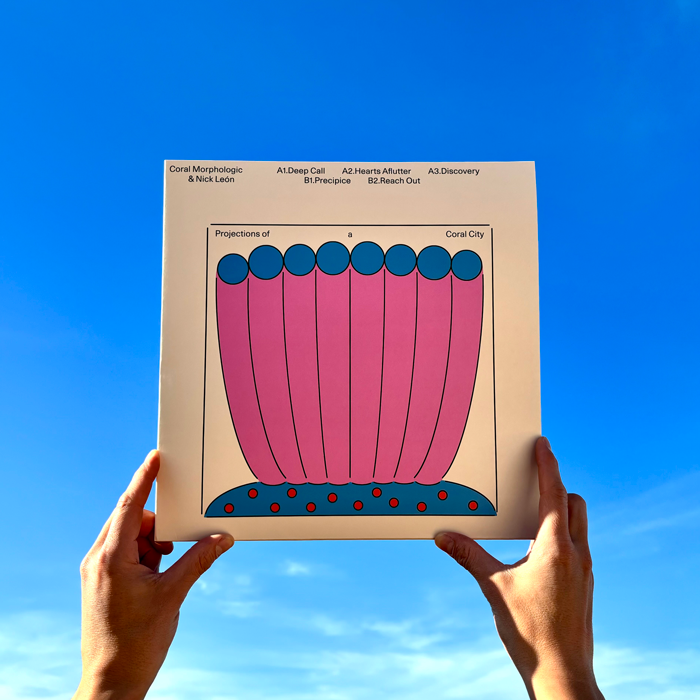
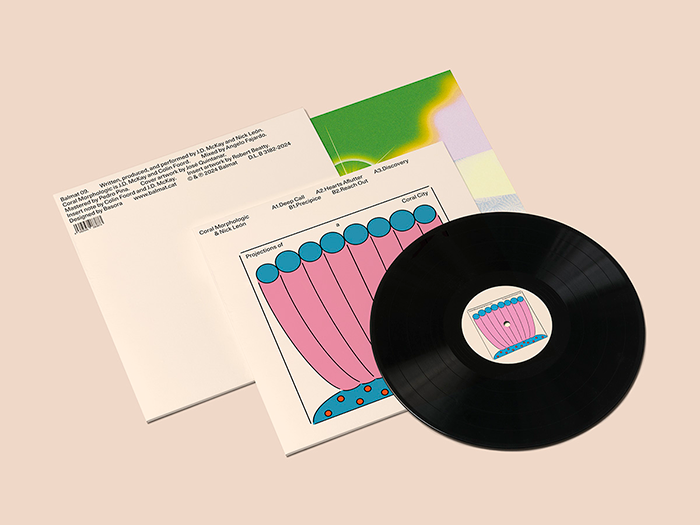
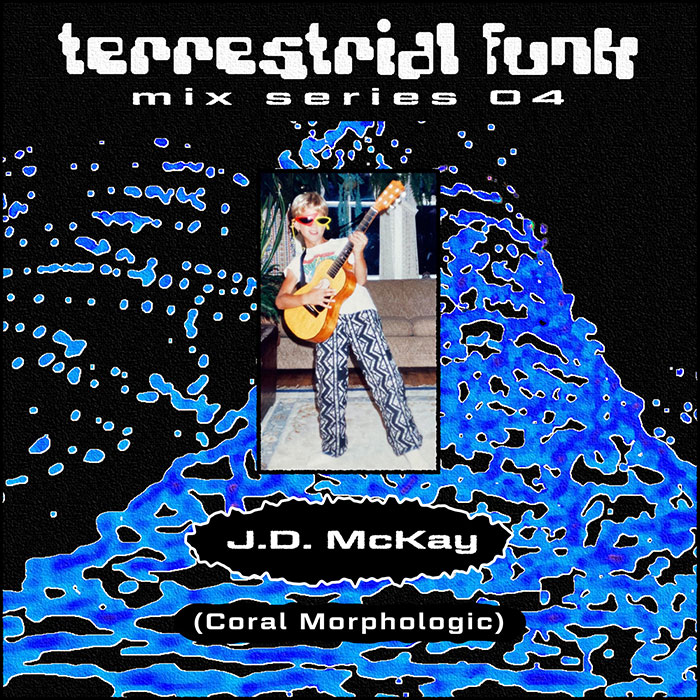
We are psyched to share the release of new music with our friend and citymate Nick León. Projections of a Coral City is available on vinyl LP and digipack CD via Balmat.
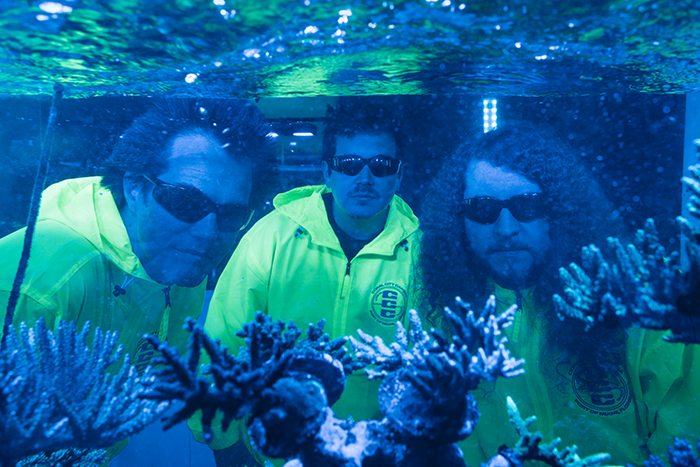
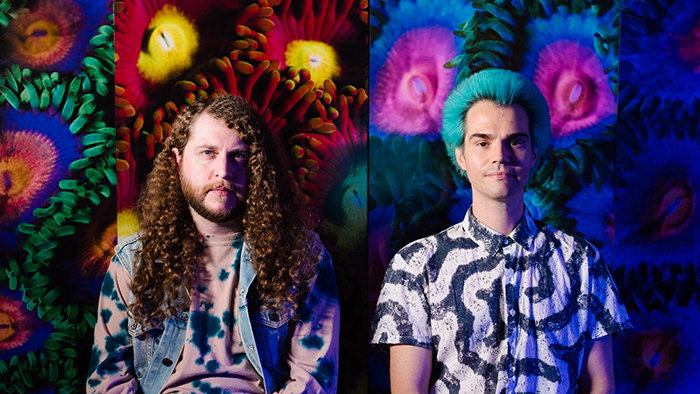
Colin, Nick, and J.D. in the Coral Morphologic lab. Photo by Karli Evans.
Written, produced, and performed by J.D. McKay and Nick León ~ Coral Morphologic is J.D. McKay and Colin Foord ~ Mixed by Angelo Fajardo ~ Mastered by Pedro Pina ~ Cover artwork by José Quintanar ~ Insert artwork by Robert Beatty ~ Insert note by Colin Foord and J.D. McKay ~ Designed by Basora ~ Full credits here.
We are thrilled to team with O, Miami Poetry Festival for a month-long program of aquatic poetry with Coral City Couplets. This month (April, National Poetry Month), students across Miami-Dade County will tune in to watch underwater live streams from the Coral City Camera, then write original poems inspired by our unique subtropical marine life. Special Thanks to Miami educators Monica Asencio and Katie Ortiz, creators of the Coral City Couplets curriculum. Read the month’s poems via our Instagram or YouTube accounts.
The summer of 2023 will go down as the hottest in recorded history (thus far). Sadly, hot ocean water means coral bleaching, and Florida’s corals suffered tremendously this year. Fortunately the Coral City Camera was in position to create the world’s most comprehensive in-situ coral bleaching timelapses ever documented by human technology. Many attempts have been made to record a coral bleaching event, but to our knowledge, this is the most complete and longest running coral time lapse made underwater in a coral reef environment. The time lapse begins on May 1st, 2023 and you can see that the staghorn corals start growing and branching quickly. However, by mid-July water temperatures have reached the critical bleaching threshold of 87 degrees Fahrenheit (30.5C) and quickly turn white. The transplanted staghorns and elkhorn corals not only bleached, but they subsequently died. You can see how after turning white, they turn gray-brown as they are colonized by turf algae in August and September, and then they erode almost as quickly as they grew, expedited by the abundant parrotfish that graze this algae from the corals’ limestone skeletons.
Bleaching occurs when the metabolism of the golden-brown symbiotic algae that live in the coral tissue known as zooxanthellae goes into thermal overdrive. The algae’s production of photosynthetically-produced oxygen exceeds the limit the coral can safely handle inside its tissues, resulting in expulsion of the zooxanthellae (and its brown color) from its host. Because zooxanthellae normally provide a coral with photosynthetically-produced sugars, it begins to starve without these symbionts. Fast-growing corals like the endangered staghorn (Acropora cervicornis) and elkhorn (Acropora palmata) lack the energy stores that fleshier corals like brain corals have, and die from bleaching stress much more easily.
By the end of August 2023, all of the staghorn and elkhorn corals experimentally-transplanted by the University of Miami’s Rescue a Reef program succumbed to the excess heat and bleaching. These were corals that are native to cooler, cleaner waters offshore Miami, so it didn’t come as a complete surprise that they could not survive the urban reef environment around the CCC. However, a single strain of staghorn and elkhorn coral that are native to the Port did not bleach and continued growing happily despite water temps exceeding 90 degrees Fahrenheit (+32C). Not taking any chances, we brought fragments of these urban strains of stag and elkhorn coral into climate-controlled conditions at NOAA’s Atlantic Oceanographic Marine Lab in July. Once water temperatures cooled enough, these fragments were safely returned to the CURES (Coral Urban Research Experimental Site) nursery frame that sits about 20’ from the CCC.
Many corals like the mustard hill coral (Porites asteroides) did not fully recover from bleaching until December 2023. Most of the brain corals had recovered from bleaching by November 2023.
Amazingly, a significant number of corals native to PortMiami did not bleach, suggesting that they have a combination of genes and microbiomes that have enabled them to adapt to the Anthropogenic conditions along Miami’s urban coastline. The native urban corals that did bleach managed to survive for several months without any zooxanthellae to provide them with energy, before recovering new zooxanthellae in autumn when cooler water returned. It is possible that the higher levels of nutrients and plankton in the water helped provide these corals with additional energy captured as food.
These urban corals and the bleaching timelapses highlight the scientific value of the Coral City Camera and its ability to document what was previously undocumented. After 4 years of near-continuous recording, and more than 205 species of fish cataloged, there is no underwater coral reef site anywhere in the world that has been as thoroughly recorded and archived.
While corals throughout Florida and the Keys suffered tremendously in the summer of 2023, the stressful event also demonstrated that not all corals shared the same fates. Even within the same species, some corals did not bleach, bleached and recovered, or bleached and died. Studying the resilient strains of urban corals at PortMiami may illuminate how they’ve been able to adapt to marginal conditions and excessive heat. With global fossil fuel emissions continuing to rise unsustainably, we can expect even hotter summers in the years to come. Will corals be able to adapt naturally fast enough? Will scientists be able to accelerate the evolution of these corals to withstand hotter water temperatures? We are in an existential race against time, but we believe (now more than ever) that Miami’s urban corals will play an important role in finding out what makes a resilient coral ‘super’. The newly launched Coral City Foundation aims to build a land-based coral lab in 2024 to unlock these secrets and amplify their numbers.
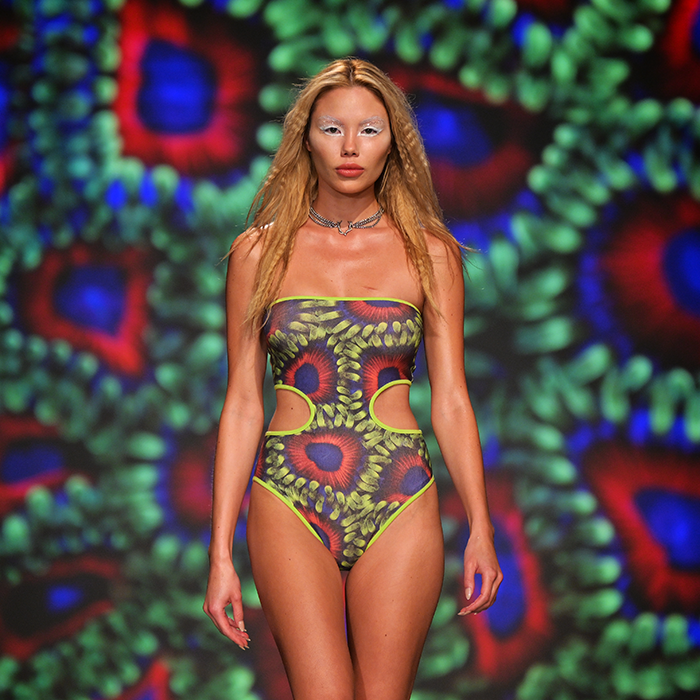
The ‘Flower Animal’ One Piece Swimsuit, featuring a Zoanthus sp. soft coral.
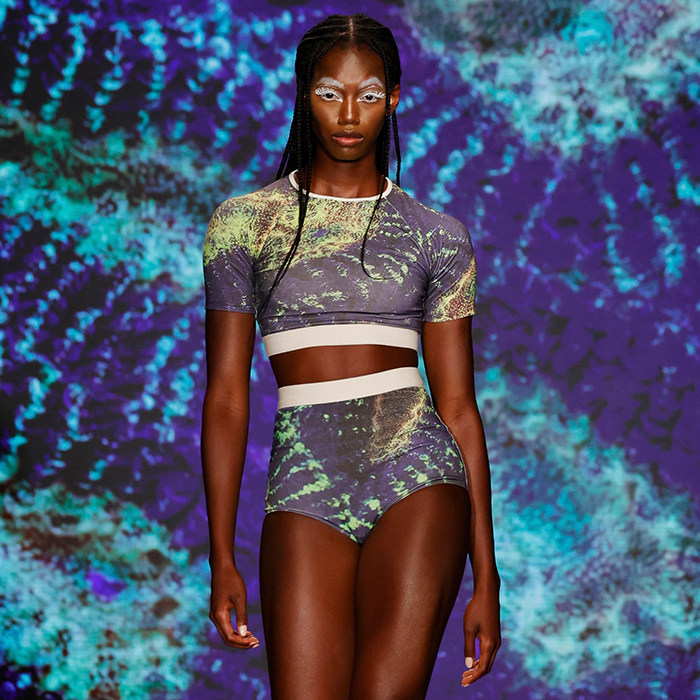
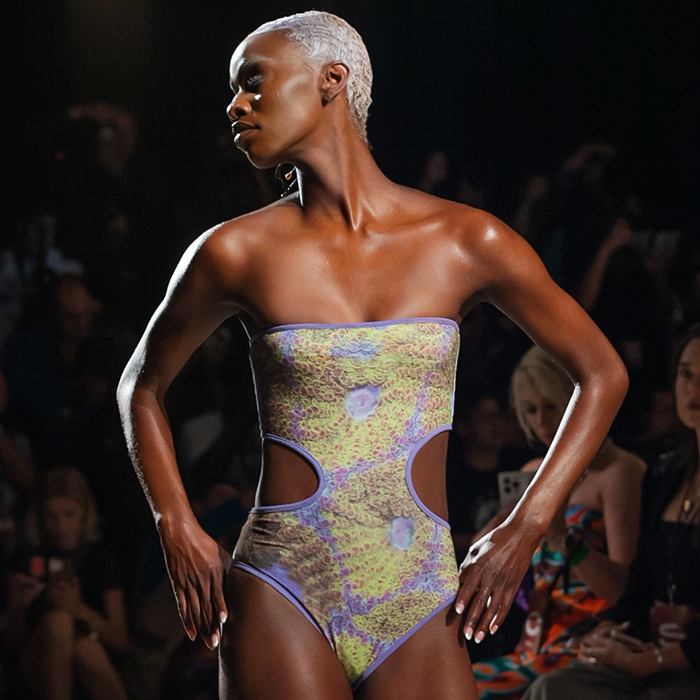
The three coral prints featured in the collection are original photos taken in the Coral Morphologic studio / lab. The entirety of the Coral City collection is made with certified organic hemp, cotton, and natural fibers.
Each item purchased will plant one coral on the reef in Bali with the non-profit organization Ocean Gardener.
The ‘Coral Dream’ One Piece Swimsuit, featuring a Dipsastraea sp. coral.
Watch the full Coral City collection runway show @ Paraiso Miami Beach here.
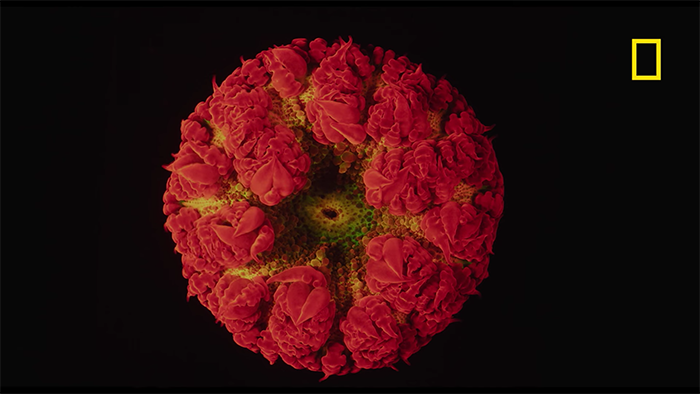
We are over the moon to share we’ve contributed coral fluorescence cinematography to the Biscayne National Park episode in the second season of National Geographic’s series America’s National Parks, narrated by Garth Brooks. America’s National Parks premieres Monday, June 5 at 9/8c on the National Geographic channel, Hulu, and Disney+.
Update 11/23/24: The Biscayne episode is now available to watch in full via YouTube:
In a new paper published in the research journal Scientific Reports, ‘Coral persistence despite marginal conditions in the Port of Miami‘, the monitoring of sites throughout the Port since 2018 revealed periodic extremes in temperature, seawater pH, and salinity, far in excess of what have been measured in most coral reef environments. Despite conditions that would kill many reef species, we have documented diverse coral communities growing on artificial substrates at these sites—reflecting remarkable tolerance to environmental stressors. Furthermore, many of the more prevalent species within these communities are now conspicuously absent or in low abundance on nearby reefs, owing to their susceptibility and exposure to stony coral tissue loss disease.
As we hypothesized in 2014 and evidenced by our recent findings, Miami’s system of urban waterways provides an inadvertent anthropogenic laboratory whose corals hold keys to understanding how the world’s coral reefs might adapt to changing climate and water chemistry in the decades to come.
Singer Achinoam “Noa” Nini Barak performing at the I Sea You concert.
We are excited to have contributed our imagery to the official opening concert of the World Economic Forum’s Annual Meeting 2023 in Davos, entitled I Sea You, which was a powerful cultural message of unity and collaboration, as well as a call to action to protect and preserve the resilient coral reefs of the Northern Red Sea.
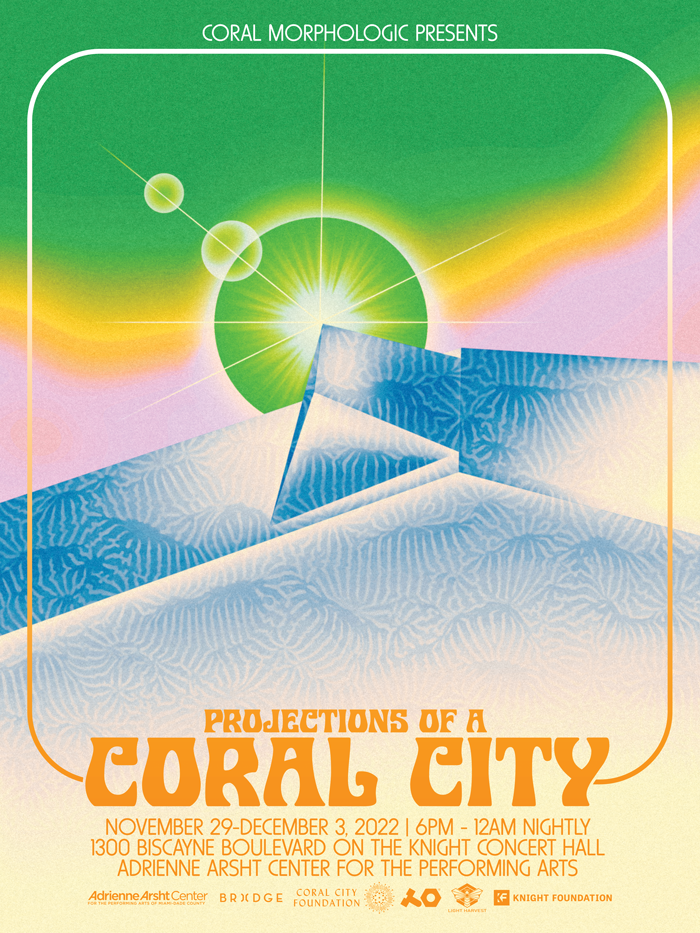
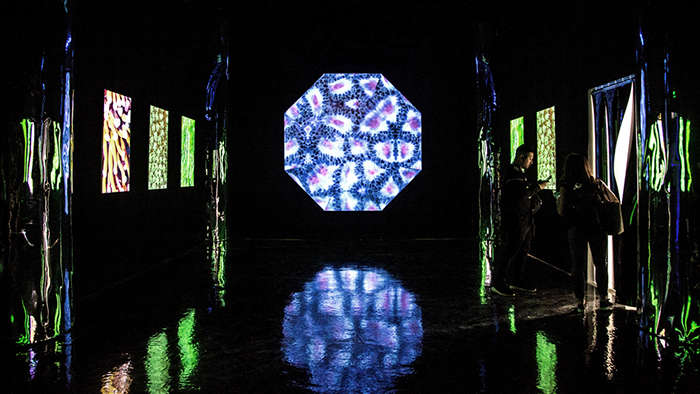
We are ecstatic to announce Projections of a Coral City, a large-scale projection-mapping installation to be presented on the exterior of the Knight Concert Hall nightly, 6PM-12AM, during Miami Art Week from Tuesday, November 29 through Saturday, December 3, 2022. Projections of a Coral City, featuring macroscopic images of corals native to Miami and from around the world, is a monumental artwork and the largest projection of corals ever presented globally. Projections of a Coral City is made possible through the support of the John S. and James L. Knight Foundation.
Miami is a coral city. Built with marine limestone mined from the Everglades, its concrete skyline stands like corals colonizing the fossilized reef ridge on which the city was built. Miami and its maritime environment are inextricably connected geologically, historically, culturally and economically. Engaging residents and visitors with Miami’s coral reefs and waters connects them to the literal foundation of the city and to its future.
The corals featured in Projections of a Coral City were grown on flat tiles and 3D-printed scale models of the Knight Concert Hall over many years in our Miami laboratory, and subsequently photographed and enlarged to envelop the building’s southwest side. These aquacultured corals include the colorful, native Ricordea florida corallimorph. Corallimorphs are an understudied group of soft corals that scientists predict will proliferate in a world where oceans are acidified and stony corals can no longer calcify into reefs. Projections of a Coral City reimagines the Knight Concert Hall’s terraced form designed by architect César Pelli as an ever-morphing coral head and, as the sea-level rise projections referenced in the project’s title portend, suggests how the City’s buildings and infrastructure might be reclaimed by coral as an artificial reef should humanity not act to prevent and mitigate sea-level rise.
An ambient soundscape foreshadowing the City’s future by Coral Morphologic and Nick León will play in tandem with the projections on the Arsht Center’s Thomson Plaza for the Arts on Biscayne Boulevard.
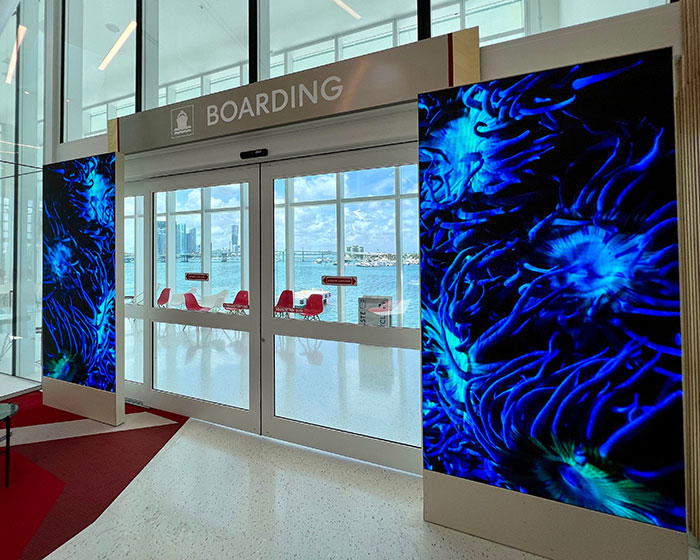
Threshold: a series of gently-swaying coral archways lead departing passengers from land to sea.
We are excited to unveil Threshold, a new Coral Morphologic video work and our second public art installation at PortMiami. Threshold was commissioned by Miami-Dade Art in Public Places in conjunction with Virgin Voyages for the recently-built Terminal V. Take a quick tour below:
On June 23rd, 2021 fifteen colonies of five different genotypes of endangered staghorn corals (Acropora cervicornis) were transplanted to the rubble zone in front of the Coral City Camera by Rescue a Reef, a citizen science program based at the University of Miami. The goal of this experiment was to try and identify stress-tolerant strains of staghorn corals to better inform Rescue a Reef of the strains best suited for near-shore habitats. We anticipated that not all the strains would survive (or perhaps none would survive), but given that this was a science experiment using clones, any mortality would be offset by the fact that dozens to hundreds of more clones exist in Rescue a Reefs offshore coral nurseries. The results greatly exceeded our best expectations!
As far as we are aware, this is the longest continuous in-situ growth timelapse of corals ever made!
This timelapse begins on June 28, 2021, just a few days after transplantation and replacing the CCC (which slightly altered the perspective). Over the course of the next several weeks, tissue die-off progressed rapidly across many of the colonies (Seen as bright white skeleton before being overgrown with brown algae). However, after a month of acclimation, the staghorn corals stabilized and adapted to their new Anthropogenic habitat despite water temperatures exceeding 90 (32C) in August and September (but no significant coral bleaching was observed!). Over the course of this time, the perspective shifts slowly as the Camera slowly subsides in the sediment and leans away from the rubble zone (due to the powerful currents in the area).
Ongoing research with University of Miami, NOAA, and Penn State University is now looking into the microbiomes of these staghorn corals to compare how they may have changed from their offshore clones. We observed on a night dive in September of 2021 while filming the ‘Coral City Fluorotour‘ that these staghorn corals were expressing fluorescent green proteins which is unusual for the species, and isn’t observed in their offshore counterparts. Unlocking the secrets of these urban-adapted ‘super corals’ is just the next step in understanding their remarkable resilience. Perhaps the site around PortMiami is ideal for evolutionarily assisting and stress-adapting corals before out-planting to the beleaguered nearshore reefs around Miami.
Just as the new coral growth is interesting to watch, equally interesting is to witness the erosion and disappearance of the dead staghorn branches of the colony closest to the Camera. This erosion occurs from the parrotfish whose powerful beak-like teeth can rasp the surface layer of algae while crunching the limestone skeleton (and then pooping sand). The club-tipped finger coral (Porites porites) in the lower right corner of the view is also interesting to observe over the year, as the parrotfish are fond of eating the healthy branch tips, rendering them very club-like in Coral City!
Playback speed is at 15 frames (days) per second (about one month per 2 seconds).
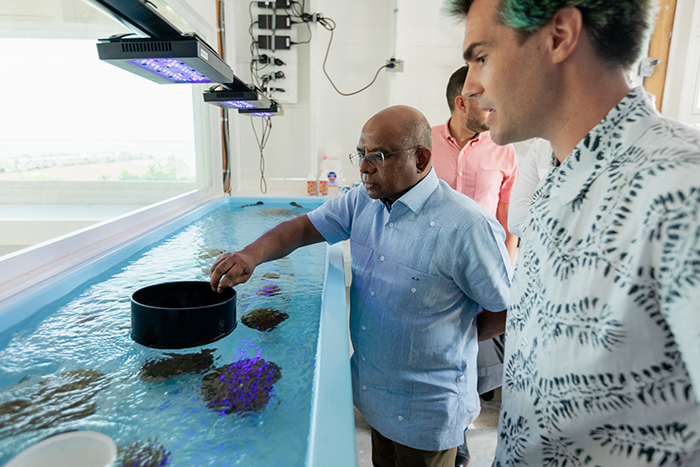
President of the UN Geneva General Assembly, Abdulla Shahid and Colin touring the Center for Marine Innovation upon its completion.
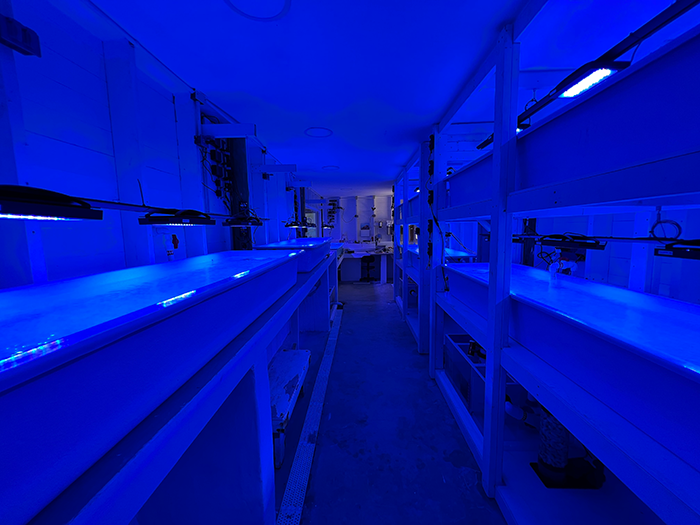
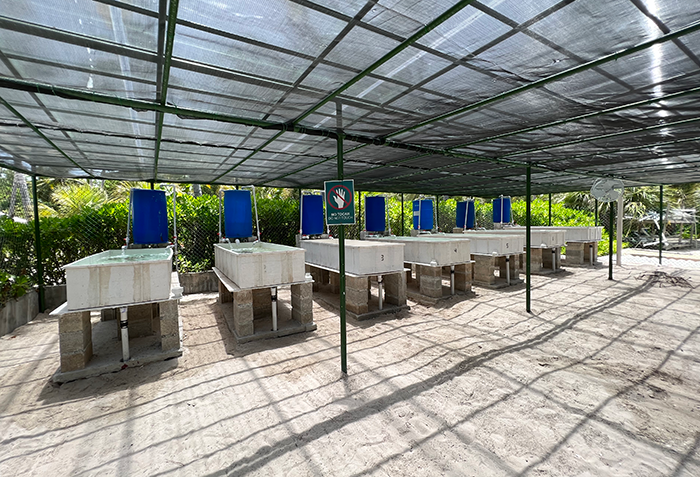
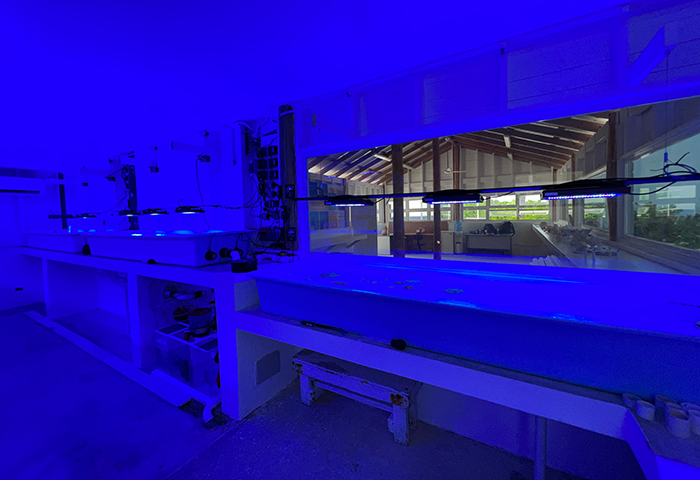
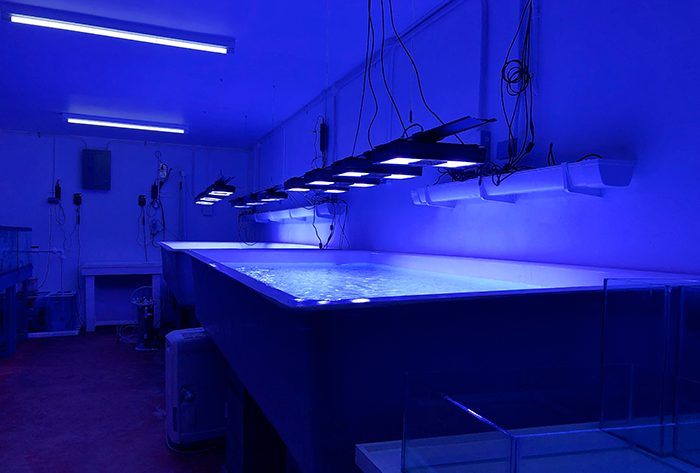
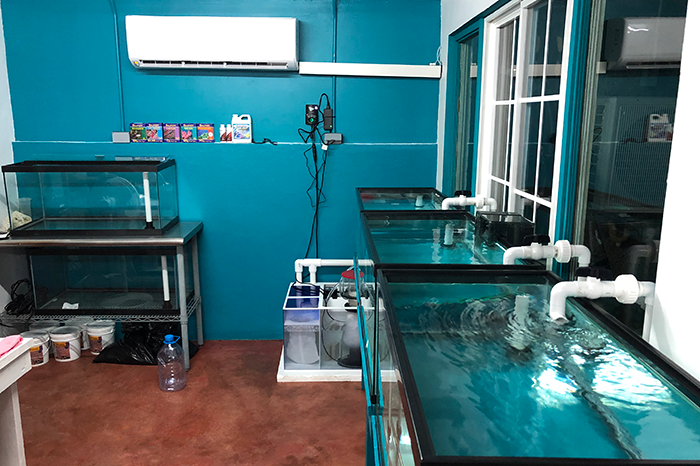
Coral Morphologic was recently commissioned by Fundación Grupo Puntacana (FGPC) at the Punta Cana Resort & Club to overhaul and upgrade their coral restoration lab infrastructure at their Center for Marine Innovation with funding support from the German GIZ. This project entailed re-plumbing an outdoor greenhouse that is capable of running either closed-loop, or pulling water directly from the ocean for easy flushing and water changes. Additionally, a climate-controlled indoor lab was also constructed utilizing the latest technology for coral aquaculture, including Ecotech G5 XR30 LED lights, Apex Neptune aquarium computers, Reef Octopus protein skimmers, and calcium reactors. This improved lab infrastructure is enabling marine scientists at FGPC to generate thousands of microfrags of massive reef-building species such as brain and star corals. These important corals will add needed biodiversity to their long-running reef restoration program that has successfully out-planted thousands of staghorn corals grown on their underwater nursery tables offshore.
The climate-controlled indoor coral microfragmentation systems and wet lab feature state-of-the-art LED and aquarium technology to keep freshly fragmented corals healthy.
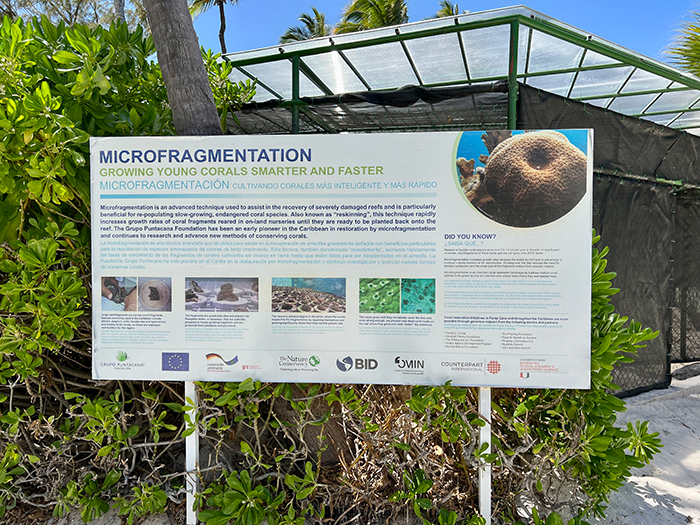
Coral microfragmentation: growing corals smarter and faster.
Outdoor microfragmentation systems are utilized for long-term grow-out before the corals are transplanted back onto Puntacana’s reefs.
The indoor coral microfragmentation systems and wet lab were designed with a viewing window that enables tourists to observe marine scientists microfragging and growing corals, without interrupting their work.
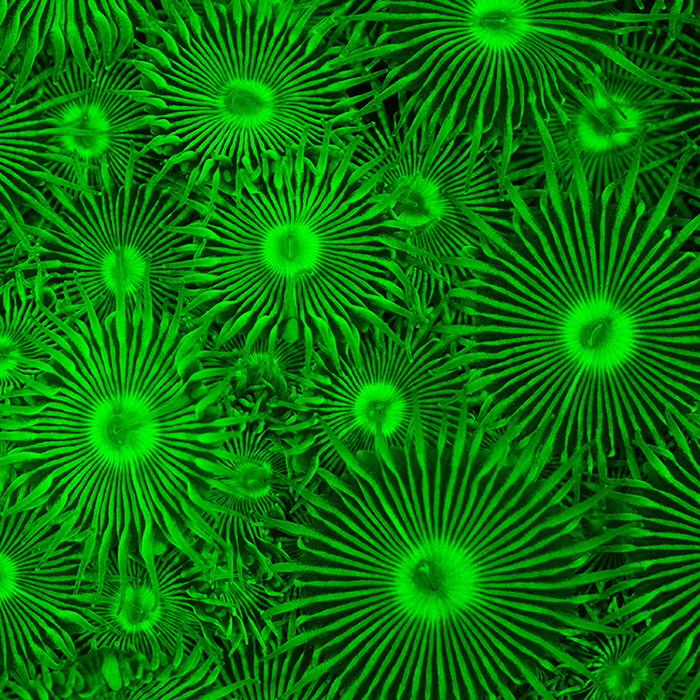
Undescribed fluorescent Palythoa species photographed along the shoreline of PortMiami.
We are happy to announce the publication of a scientific paper in Springer Nature analyzing the presence and potency of palytoxin (PLTX) in Palythoa spp. and Zoanthus spp. Zoantharians conducted by the Mediterranean Institute of Oceanography and Coral Biome in Marseilles, France. PLTX is one of the most potent toxins known on the planet. It is an extremely large and complex organic compound that has been described by biochemists as the ‘Mt. Everest of organic synthesis’. An organism that naturally produces large amounts of PLTX is of great importance for research scientists to better understand its pharmacology. PLTX has been found to have toxic effects on head and neck tumors, and therefore warrants further pharmaceutical investigation.
Initially, this compound was blue-prospected in Hawaii where native Hawaiian people used the the mucous of Palythoa found in a very specific (and taboo) tide pool (known as limu-make-o-Hana, the ‘seaweed of death of Hana’) to coat their spear points before battle. So taboo was this tide pool for outsiders, that when scientists sampled the Palythoa in 1961, they found their lab burned to the ground on the same day. A reminder to scientists to respect native wisdom, culture, and practices when performing science on other cultures’ land!
In this paper we found that an undescribed species (Palythoa aff. clavata) we sampled from PortMiami in 2012 was found to have five times the concentration of the notorious Hawaiian species Palythoa toxica. The experiment also tried to determine whether PLTX was produced by symbiotic microbial symbionts / zooxanthellae, or by the organism itself. Highest concentrations of PLTX were found within the tissue itself, and isolated cultures of zooxanthellae from these polyps failed to produce PLTX in the laboratory. This suggests, but does not confirm, that the Palythoa polyps themselves are producing this toxin. While the mechanism of its biosynthesis remains unknown, it highlights how Miami’s urban marine environs hold important scientific discoveries still waiting to be uncovered.
We are proud to present Coral City Flourotour, our first short film in 3 years, and our first in-ocean filming project using techniques developed in the CM lab / studio. Coral City Flourotour documents the highly fluorescent corals living near the Coral City Camera site at PortMiami.
These urban corals are not just survivors, but pioneers who have self-recruited to the boulder shoreline deployed to the Port in 2010. Some of the larger brain corals featured were previously transplanted from other urban habitats by Miami-Dade County DERM. Coral Morphologic has documented 27 of Florida’s 48 stony coral species living at this site, as well as more than 170 species of fish documented via the CCC.
Critically endangered staghorn corals (Acropora cervicornis) were transplanted to the site in June 2021 by University of Miami’s Rescue a Reef program. The fluorescence survey conducted in this film revealed they’ve activated fluorescent proteins which are not normally expressed in offshore waters. Scientists from UM and NOAA are now seeking to understand what changes these corals have undergone adapting to life in such an anthropogenically-altered environment, as it may have larger implications related to the restoration of Floridian and Caribbean reefs. Recently published research by NOAA has discovered the corals living in these urbanized environments have made important adaptations that enable them to thrive in Miami’s coastal waters.
Special Thanks to Bridge Initiative, Bas Fisher Invitational, PortMiami, Biscayne Bay Pilots, Miami-Dade County, NOAA AOML, Rescue a Reef
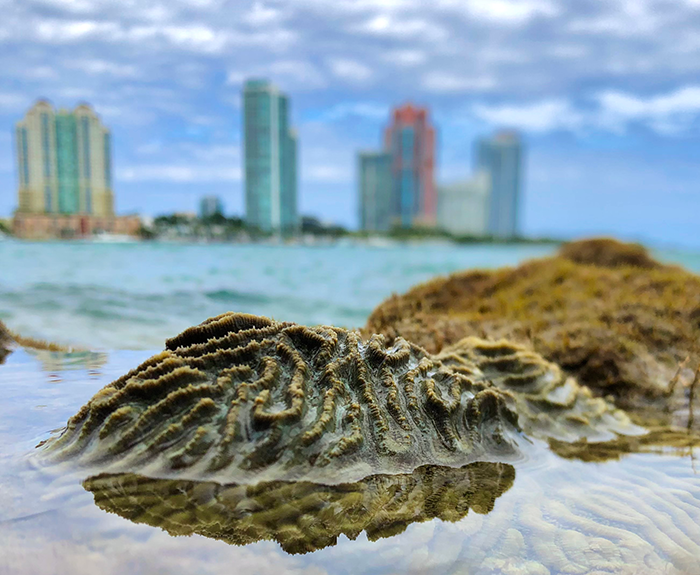
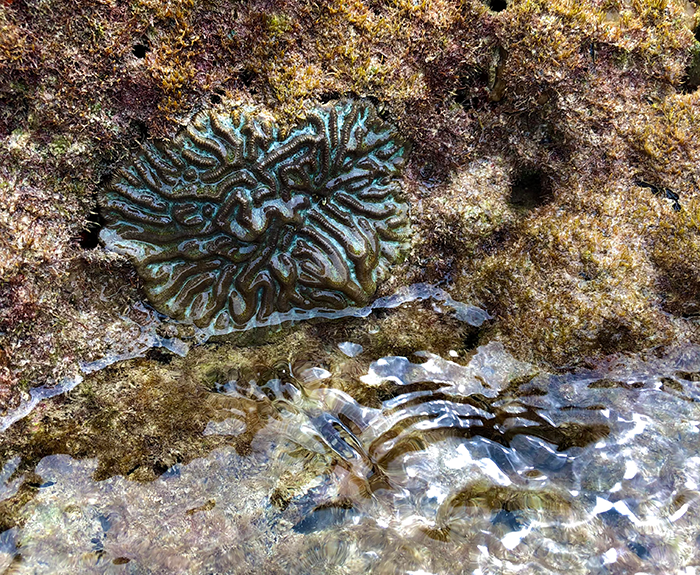
Symmetrical Brain Coral (Pseuododiploria strigosa) emersed during low tide along the shoreline of PortMiami.
For more than a decade, Coral Morphologic has sought to shine a spotlight on Miami’s intertidal urban corals and their potential scientific value. These surprisingly resilient corals appear to avoid bleaching and stem disease better than their conspecifics offshore on the natural reefs. Over the past two years we have been working with scientists at NOAA’s Atlantic Oceanographic Meteorological Laboratory (AOML) to explain these differences using molecular lab analysis of tissue samples collected in the field. That work finally culminated in ‘Molecular Mechanisms of Coral Persistence Within Highly Urbanized Locations in the Port of Miami, Florida‘ published in the research journal Frontiers in Marine Science.
We found that the Symmetrical Brain Corals (Pseuododiploria strigosa) living in the urban environment (specifically alongside MacArthur Causeway and Star Island in Miami) were predominantly colonized by the Durusdinium sp. strain of symbiotic algae (zooxanthellae) that provides the coral with photosynthetic energy during daylight hours. Durusdinium is known to be a heat-tolerant genus of zooxanthellae, and has long been investigated by scientists seeking to create bleaching-resistant ‘super corals’. However, until this study, the Symmetrical Brain Coral had rarely been observed hosting this species of zooxanthellae elsewhere in the region, making these observations here in Miami quite remarkable.
Beyond the helpful symbionts, the Symmetrical Brain Corals living in the urban environment were also found to be producing proteins and enzymes known to identify and digest pathogenic invaders. These proteins could be a two-fold benefit to the coral since disease-causing microbes can be digested as food before they can infect the coral. The urban marine environments around Miami often have high concentrations of phytoplankton and turbidity in the water, along with high bacterial concentrations that frequently require ‘no swim’ public health advisories. The ability to capture and extract more energy from food could enhance its health and provide sustenance during times of bleaching.
These findings from a single species of urban coral in Miami’s coastal environment suggest further investigation is warranted in the variety of other reef-building species that have self-recruited to the City’s concrete and riprap shorelines. It also demonstrates how the human-made hydrogeologic conditions around PortMiami serve as an evolutionary gauntlet selecting for corals better adapted for life in the Anthropocene.
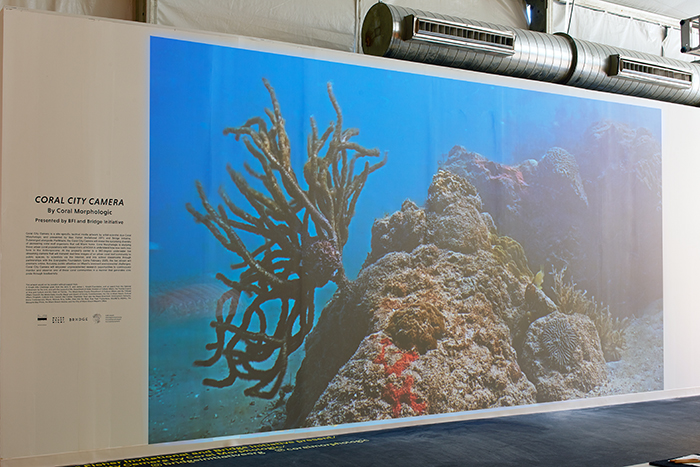
For Design Miami 2019/, we debuted a preview of the Coral City Camera, a 360° live stream underwater camera located at our collaborative research site with NOAA’s AOML Coral Program. The CCC aims to supplement our urban coral research with real-time scientific data and offer a source of natural wonderment to the public, with the live stream officially going live in February 2020.
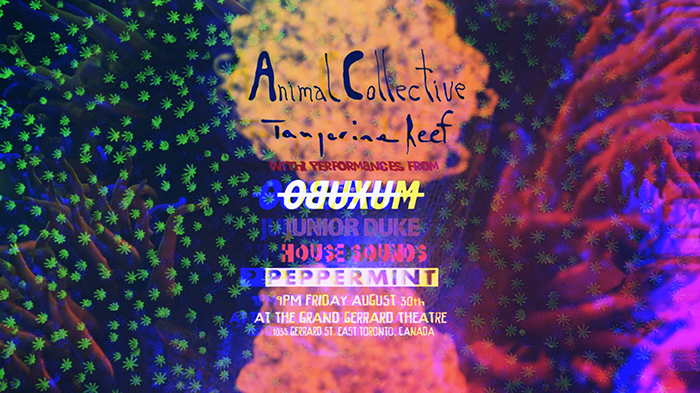
Tangerine Reef, our audiovisual collaboration with Animal Collective, will have its first official screening in Canada on Friday, August 30th at the historic Grand Gerrard Theater in Toronto. Tickets are available here.
Colin will join Animal Collective at CPH:DOX 2019 in Copenhagen, Denmark on Friday, March 22nd for a screening of Tangerine Reef followed by Q & A, plus live sets from AC’s Geologist and Deakin featuring visuals from us at Aveny-T. See this link for tickets.
Coral Morphologic was recently commissioned to build a high-tech indoor coral microfragmentation and wet lab by the Alligator Head Foundation in Portland, Jamaica. Additionally, a 300 gallon reef biotope was built to serve as an educational display. Over the course of three trips, the Coral Morphologic team coordinated purchasing, exporting, and constructing the AHF Marine Lab where it now serves both the local marine scientists working to protect the Alligator Head Marine Sanctuary, as well as international scientists that can visit and conduct their work with state-of-the-art equipment in a controlled laboratory setting.
On November 27th we embarked on the first field trip with researchers from NOAA and University of Miami for the next phase of Coral Morphologic’s long-term project to document, study, and conserve Miami’s unusually resilient ‘urban corals’. That is, the corals that have pioneered into Miami’s intercoastal waterways as larvae and settled onto man-made infrastructure. It is precisely Miami’s legacy of anthropogenic disturbance that led Coral Morphologic to recognize that the City was a real-world window in which to understand how corals may adapt and evolve to anthropogenic impacts.
Studying genetic variation and the underlying causes of these variations is at the heart of a global effort to identify more resilient coral genotypes capable of restoring degraded coral habitat. Most of this research has focused on traditionally healthy, offshore reef habitats and identifying corals that show more resilience to stress than neighbors, or in experimental lab settings with distinct coral colonies of the same species subjected to stressful conditions. However, our project proposes to sample the tissue of healthy coral colonies (specifically Pseudodiploria strigosa and Porites asteroides) living in less than ideal ‘urban’ conditions, as well as healthy coral living offshore in ‘natural’ conditions, to determine if the genetic variation between sites is significant. The sample sites will also be surveyed and scientifically described by community assessment and seasonal changes through photo mosaics, monitoring of water chemistry, temperature, pH, and light levels, to quantify and compare site conditions. The final phase of this project will involve transplanting corals to the tip of PortMiami from each of the ‘urban’ sites, along with fragments from the offshore, natural reef to compare how each is able to adapt, and eventually developing an ‘urban coral’ nursery to grow the most resilient coral genotypes for restoration of reefs and laboratory research.
But the first task in this year-long study was to characterize each of the study sites through photo-mosaics that create three dimensional maps using a pair of GoPro cameras. These maps will serve as our detailed baseline imagery to better understand the forces of coral recruitment, growth, mortality, competition from macroalgae, and the accumulation of trash/ debris over time. Watch the video above to see each of the three urban coral research sites and the techniques used to document them. We look forward to providing updates over the course of the year as we document the sites, analyze transcriptomes, transplant corals, and characterize range of water quality and chemical conditions that Miami’s urban corals endure.
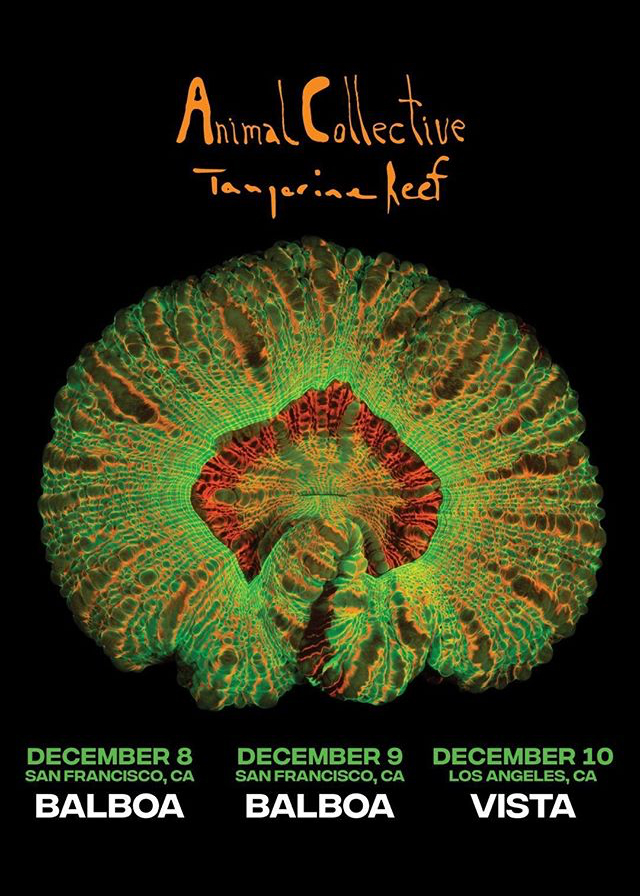
Following their November 9th performance at Baltimore’s Parkway theater, Animal Collective will embark on a 3-date West Coast tour this December in support of our collaborative audiovisual album Tangerine Reef at two historic movie theaters in California – the Balboa in San Francisco on the 8th & 9th, and the Vista in Los Angeles on the 10th. Tickets are available via links above or in person at the theaters.
Read Part 2 (& Part 1) of our essay on super corals: ‘On Super Corals and Where to Find Them (A Closer Look at Miami’s Urban Coral Ecosystem)’ on Medium or click the link below:
Read Part 1 of our essay on super corals: ‘On Super Corals and Where to Find Them (Or a Cautionary Tale of Using Memes in Science)’ on Medium or click the link below:
We are psyched to share Coral Morphologic is a contributor of coral & marine life footage to the Darren Aronofsky-produced, Will Smith-hosted National Geographic television series One Strange Rock. Filmed in space & locations across 45 countries, the series explores the fragility & wonder of planet Earth from the perspective of eight astronauts who spent time onboard the International Space Station.
The 10-episode series debuts March 26, 2018; watch the trailer above.
During the 2018 NBA All-Star weekend, adidas held a two-day celebration of basketball culture at ROW DTLA in Los Angeles. The event, called 747 Warehouse St, brought together creators from the worlds of sports, music, fashion and design. To represent the oceans and rally new champions for the cause, Parley created an adidas X Parley X Coral Morphologic experience focused on the beauty and fragility of the oceans, featuring a CM video installation aimed at generating environmental awareness. Watch a highlight video from the event below.
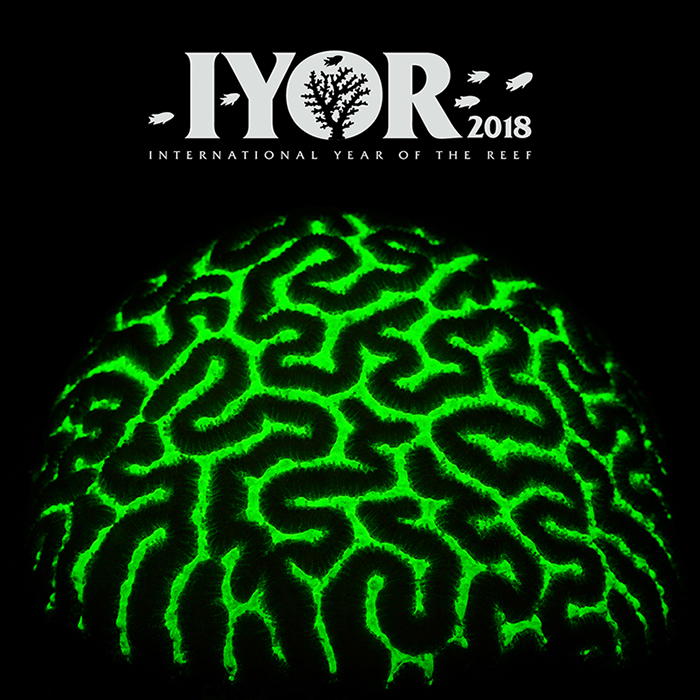
2018 is the International Year of the Reef, a world-wide initiative enacted by the ICRI to strengthen awareness globally about the value of, and threats to, coral reefs. Learn more about #IYOR2018 with an immersive Google Earth Voyager Story.